Beginner survival guide

Subnautica 2 Beginner Guide — 10 Things to Know Before You Start

Ten lessons distilled from the first 24 hours of the Early Access launch build. Each one targets a specific failure mode that first-day players hit, in roughly the order they hit them. Read it linearly if you have not started yet, or jump to whichever tip matches the wall you have run into.

In short. Cure Digestive Incompatibility before exploring, scan everything you reach, build small bases first, treat the Multitool as a tool, avoid the Collector Leviathan until you have a Tadpole, and save the DNA Modification pipeline for hour three. The rest of the list fills in the small mistakes that compound across a session.

Updated 2026-06-09. Written from the Early Access launch build (May 14, 2026).

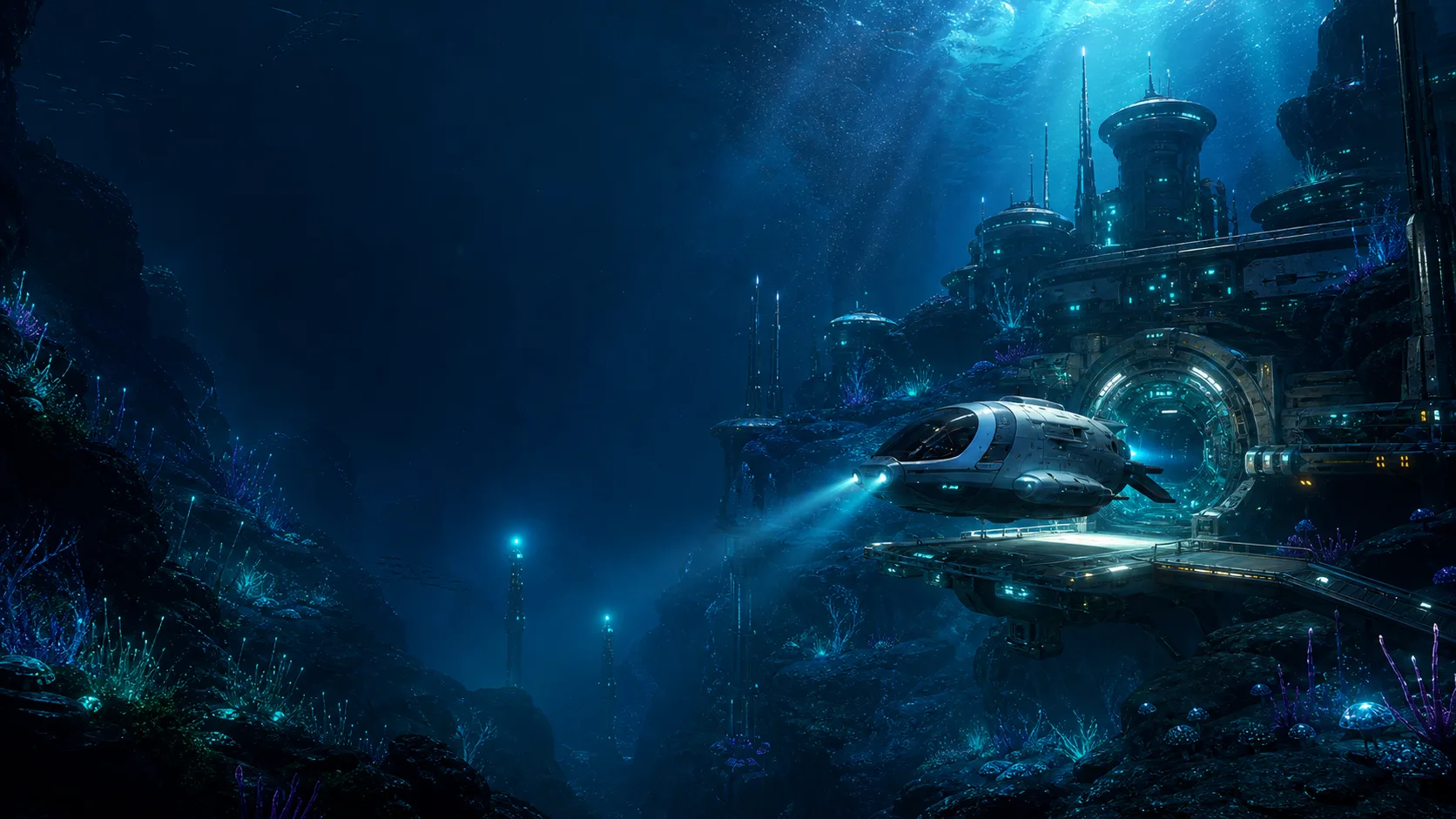
Deep sea exploration scene with submersibles and glowing underwater structures
1

Cure Digestive Incompatibility before doing anything else

Subnautica 2 starts every save with Digestive Incompatibility, so local food can fail just when hunger starts mattering. Fix it early by reading Anita in NOA, swimming northeast from the Lifepod toward Anita black box, and interacting with the Angel Comb central pod to unlock Digestion.

Angel Comb route
2

Scan everything, even the things that look boring

Scanning is the cheapest upgrade in the game. Most blueprints come from scans, not from menus. Plant scans, fish scans, debris scans — all of them feed the Fabricator and reveal what you can build next. Subnautica 2 also ties scanning to a separate creature-knowledge layer, so a creature scanned in the first hour pays off twice: once for recipes, once for context when you start collecting DNA samples later.

Creature index
3

Craft the Standard Air Tank early — treat it as mandatory

Your starting oxygen budget makes any dive past 30 metres a round-trip gamble. The Standard Air Tank is cheap, the materials are in shallow water, and it roughly doubles your safe exploration radius. Most launch-day deaths come from skipping this upgrade and committing to a deep scan with the starter tank. Build it before any vehicle, any base expansion, any leviathan curiosity.

Oxygen and depth guide
4

Build a small base, not a good one

A single sealed room, one Fabricator, one locker, one solar panel, and a beacon will keep you alive longer than a half-finished mansion. Habitat planning is a hour-three problem. Hour-one is "where do I drop my stuff and come back to it." Treat the first base as disposable infrastructure and you will iterate faster than the players who try to nail the perfect spot before scanning anything.

Crafting reference
5

Solar panels go on the roof — never the side

Side-mounted solar panels collect a fraction of the light a roof-mounted panel does, because the alien sun on Planet Zezura sits high in the early-game biomes. The difference becomes obvious the first night cycle: a roof rig sustains your Fabricator and storage lights, a side rig drops to zero. The fix is the same: pull them, replace on top. This is the single most common base-design mistake new players make.

Building modules
6

Two storage containers from day one, not one

A single locker fills up faster than you expect because Subnautica 2 rewards over-gathering. Build two from the start: one for raw materials (copper, titanium, salt), one for tools and consumables (extra batteries, food, water). The split takes one extra trip back to the Fabricator and saves five minutes every time you reach for a battery in a panic. Add a third when you start using a vehicle.

7

The Survival Multitool is a tool, not a weapon

Hitting wildlife with the Multitool aggros aggressive species and burns through tool durability without dropping anything useful in return. Passive fish flee, predators retaliate, and the time you spent swinging could have been scan time. Treat the Multitool as exactly what its name says — a tool — and use distance, terrain, or the Wakemaker for actual hostile encounters.

8

Bases can flood and collapse — keep a manual save

Habitat hull integrity is real in Subnautica 2. A deep-pressure module on a shallow-pressure base will eventually crack, water will breach, and any lockers inside get damaged. The remedy is simple: stick to your current depth class until you have the reinforcement upgrades, and keep at least one manual save before any deep expansion. Patches in Early Access also occasionally change hull rules, which is the second reason for a backup save.

Save file backup
9

Treat the Collector Leviathan as a check-first danger

The Sparse Plains apex-threat route is not a beginner farming path. Unknown Worlds has said creature aggression, aggro range, flares, Survival Tool behavior, and vehicle/base interactions are tuning targets, so do not rely on old chase or combat claims. Until you have a vehicle, a beaconed exit route, and a clear objective, stay out of the deep Sparse Plains lanes.

Collector Leviathan notes
10

DNA Modification is a mid-game goal — not first hour

The DNA Modification / Biomods layer starts with the Welcome Center Biolab and later expands through the Bioscanner route. Pick an early biomod that solves your current problem, then save deeper catalogue planning for after your base, oxygen, and vehicle routes are stable.

DNA Modification system

Questions people ask

What should I do first in Subnautica 2?

Cure Digestive Incompatibility. Read Anita in NOA, swim northeast from the Lifepod toward Anita black box, interact with the Angel Comb, and confirm Digestion in Adaptations. Everything else — scanning, base building, vehicles — works better once that one survival blocker is gone.

How many hours does it take to feel comfortable in Subnautica 2?

Most players settle into a stable loop somewhere between hours two and four. By then a small base, the Standard Air Tank, several blueprints from scans, and at least one creature encounter you survived have established the rhythm. Hour-one anxiety is normal; Subnautica is designed to feel like it is killing you until you have a beacon on a home base.

Do I need to play Subnautica 1 first?

No. Subnautica 2 introduces a new planet, new creatures, new mechanics like Digestive Incompatibility and DNA Modification, and a separate story. Returning players have an instinct advantage for oxygen management and scanning, but the recipe trees and creature behaviours have changed enough that experience is not a complete shortcut.

Is co-op recommended for beginners?

It helps if your partners are also new — shared scan data and shared storage flatten the learning curve. It can hurt if a veteran rushes ahead and trivialises the discovery loop. Either way, make sure each player handles their own Angel Comb interaction and biomod choices, because at least some progression appears to be per-character rather than per-save.

What is the most common early-game mistake?

Pushing depth before pushing prep. Skipping the Air Tank, skipping a beacon, skipping a backup save, then chasing a shiny resource into a leviathan zone. The original game was famous for it; Subnautica 2 adds ocean currents and the Collector Leviathan to make the same mistake costlier.

Keep planning

Once the basics click, these pages cover the rest of the early game.